





The Ultimate Fall Home Maintenance Checklist for Bergen County, NJ Homeowners
As the leaves begin to change across Ridgewood and Bergen County, fall is one of the most important times of year to prepare your home for the colder months ahead. From cleaning gutters and inspecting your roof to servicing your heating system and protecting outdoor plumbing, a little preventative maintenance now can help homeowners avoid costly repairs during winter.
In Northern New Jersey, where autumn brings falling leaves, fluctuating temperatures, and the possibility of snow and ice, seasonal home maintenance is especially important. Whether you own a classic Colonial in Ridgewood, a split-level in Glen Rock, or a beautiful family home in Wyckoff, taking care of essential maintenance tasks can help protect your investment, improve energy efficiency, and keep your home comfortable throughout the winter.
At The Gubb Team, we believe that homeownership is about more than finding the perfect property. It’s also about maintaining your home’s value for years to come.
Use our ultimate fall home maintenance checklist to get your Bergen County home ready for winter.
1. Clean Your Gutters and Downspouts
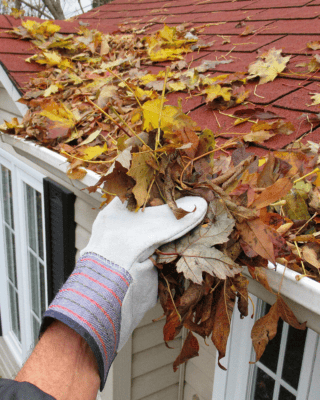
With the abundance of mature trees throughout Ridgewood and surrounding Bergen County communities, falling leaves can quickly clog gutters and downspouts. When water cannot drain properly, it may overflow near your foundation, contribute to basement moisture, or create problems when temperatures drop.
Your fall gutter checklist:
- Remove leaves, twigs, and other debris from gutters.
- Check downspouts to ensure water flows freely.
- Confirm that downspouts direct water away from your home’s foundation.
- Inspect gutters for sagging, loose brackets, and leaks.
- Consider scheduling a second cleaning after most leaves have fallen.
Clogged gutters can create drainage issues at any time of year, but addressing them before winter is particularly important.
Learn more from the New Jersey Office of Emergency Management’s winter preparation guidance.

2. Schedule a Roof Inspection
Your roof is your home’s first line of defense against rain, snow, ice, and freezing temperatures. Fall is an ideal time to identify potential problems before winter weather makes repairs more difficult.
Look for signs of missing or damaged shingles, deteriorating flashing around chimneys, and visible damage near roof valleys or vents. Inside your home, check the attic for signs of moisture, water stains, or inadequate ventilation.
What Bergen County homeowners should prioritize:
- Inspect shingles and flashing for visible damage.
- Look for signs of leaks in the attic and on ceilings.
- Check that roof vents are unobstructed.
- Address existing roof leaks before freezing temperatures arrive.
- Consult a qualified roofing professional if you notice anything concerning.
Don’t wait until the first winter storm to discover a roof problem. Early attention can help prevent a minor issue from becoming a more expensive repair.
3. Service Your Heating System Before Temperatures Drop
When temperatures fall in Bergen County, a reliable heating system becomes essential. Scheduling professional maintenance in the fall helps ensure your furnace or boiler is ready for the demands of winter.
A heating professional can inspect the system, identify potential issues, and recommend any necessary maintenance.
Before winter, remember to:
- Schedule annual professional heating-system maintenance.
- Replace or clean HVAC filters according to the manufacturer’s recommendations.
- Check your thermostat and confirm that it operates properly.
- Make sure heating vents and radiators are not blocked by furniture or rugs.
- Listen for unusual noises and address inconsistent heating.
- Ensure smoke and carbon monoxide alarms are working properly.
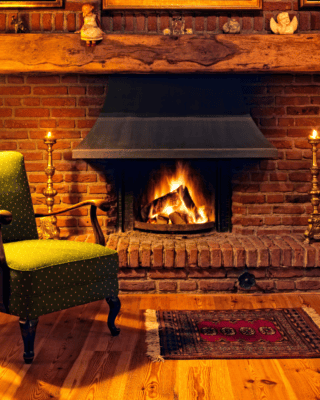
If your home has a fireplace or wood-burning stove, arrange for the appropriate inspection and cleaning before using it regularly.
For more guidance, visit the U.S. Department of Energy’s home energy checklist.
4. Protect Pipes From Freezing
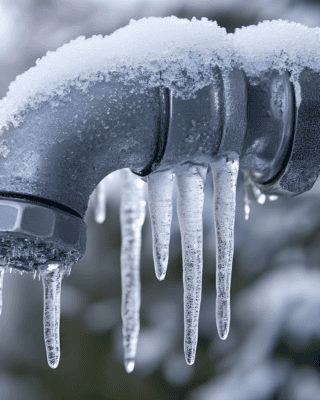
Frozen pipes are among the most disruptive cold-weather problems homeowners can face. Pipes in unheated garages, basements, crawl spaces, and exterior walls may be particularly vulnerable during a cold snap.
Take these precautions before freezing temperatures arrive:
- Disconnect garden hoses from outdoor faucets.
- Shut off and drain outdoor plumbing lines where your system allows.
- Insulate exposed pipes in unheated areas.
- Seal drafts near plumbing penetrations.
- Locate your main water shutoff valve so you can act quickly if a plumbing emergency occurs.
- Keep garage doors closed when water pipes are located inside the garage.
If you plan to travel during the winter, take additional precautions to protect your home from freezing temperatures.
For official cold-weather safety recommendations, review the New Jersey Office of Emergency Management’s winter safety tips.
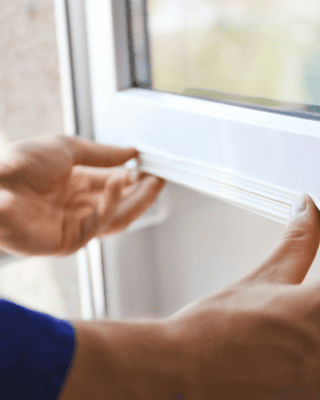
5. Seal Drafty Windows and Doors
Drafty windows and doors can make a home feel uncomfortable and cause your heating system to work harder. Fortunately, some air-sealing improvements are relatively simple and inexpensive.
Walk through your home on a cool or windy day and check for noticeable drafts around windows, exterior doors, and other openings.
Consider these improvements:
- Replace worn weatherstripping around doors and windows.
- Apply appropriate caulk to small gaps in stationary window frames and exterior trim.
- Check door sweeps for wear.
- Inspect attic access points and other areas where conditioned air may escape.
- Evaluate attic insulation and ventilation if your home is consistently difficult to heat.
Older homes throughout Ridgewood and Bergen County may benefit from particular attention to aging windows, doors, and insulation.
For additional recommendations, explore the U.S. Department of Energy’s whole-house weatherization guide.

6. Prepare Your Yard and Trees for Winter
Bergen County’s beautiful tree-lined streets are part of what makes communities like Ridgewood, Ho-Ho-Kus, and Glen Rock so appealing. However, overhanging branches and neglected landscaping can become a concern during winter storms.
Before the first snowfall:
- Remove fallen leaves from lawns, walkways, and drainage areas.
- Trim dead or damaged branches that could threaten your home.
- Have a qualified tree professional assess large trees with concerning limbs.
- Clear window wells and outdoor drains.
- Store or secure patio furniture, umbrellas, and lightweight outdoor accessories.
- Clean and store gardening tools.
- Winterize sprinkler systems according to the manufacturer’s instructions.
Safety tip: If branches are near power lines, contact the utility company rather than attempting to remove them yourself.
Taking care of your property’s exterior now can help reduce storm-related risks and make spring cleanup easier.
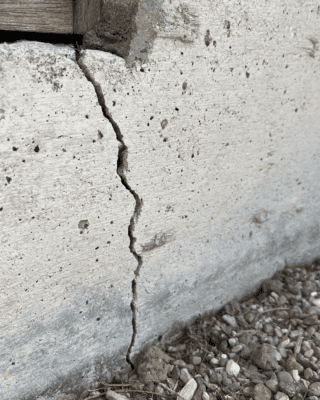
7. Inspect Your Foundation and Check Basement Drainage
Water management is an important part of maintaining a Bergen County home, particularly in properties with basements. Heavy rain, melting snow, and poor drainage can contribute to moisture problems if water collects near the foundation.
During your fall inspection:
- Look for new cracks or changes in existing foundation cracks.
- Check basement walls and floors for signs of moisture.
- Confirm that downspouts carry water away from the house.
- Inspect visible sump pumps and test them according to the manufacturer’s instructions.
- Make sure basement window wells are clear of leaves and debris.
- Check that the soil around the home slopes away from the foundation.
If you notice recurring water intrusion, persistent dampness, or significant foundation changes, consult an appropriate professional to determine the cause.
Addressing drainage concerns before winter can help protect your home’s structure and finished living spaces.
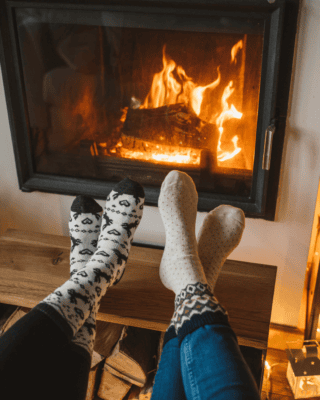
8. Clean and Inspect Your Fireplace and Chimney
Nothing makes a cold fall evening more inviting than a warm fireplace. Before lighting your first fire of the season, however, make sure your fireplace and chimney are ready for use.
Your fireplace maintenance checklist should include:
- Scheduling a professional chimney inspection and cleaning as recommended.
- Checking the damper for proper operation.
- Looking for visible deterioration around the fireplace and chimney.
- Confirming that smoke and carbon monoxide alarms are operational.
- Keeping combustible materials away from the fireplace.
Chimney buildup and ventilation problems can create serious fire and indoor-air safety risks. Have a qualified professional evaluate concerns before using the fireplace.
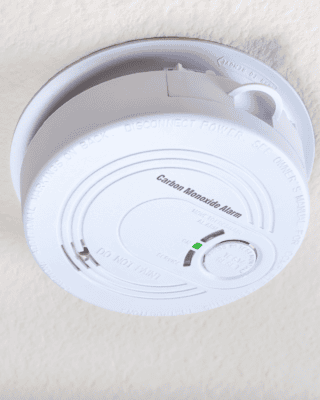
9. Test Smoke and Carbon Monoxide Alarms
As homeowners begin using furnaces, fireplaces, and other heating equipment more frequently, fall is an excellent time to review household fire and carbon monoxide safety.
Make sure smoke alarms and carbon monoxide alarms are installed in the locations required by applicable codes and manufacturer guidance. Test the alarms and replace batteries or units as directed.
Also consider:
- Reviewing your family’s fire escape plan.
- Keeping hallways and exits clear.
- Checking that fire extinguishers are accessible and in working condition.
- Learning the warning signs of a carbon monoxide problem.
- Following all manufacturer instructions for heating equipment.
Never operate a generator indoors or in a garage, and never use an oven to heat your home.
Visit the New Jersey Office of Emergency Management for additional emergency preparedness information.

10. Inspect Driveways, Walkways, and Exterior Steps
Freeze-thaw cycles can make existing cracks and uneven surfaces worse. Before winter, inspect the areas around your home that family members and visitors use most often.
Look for:
- Cracks in asphalt or concrete.
- Loose pavers and uneven walkway sections.
- Damaged handrails or exterior steps.
- Poor drainage that allows water to collect on walking surfaces.
- Outdoor lighting that needs repair or brighter bulbs.
Address appropriate repairs before icy conditions make these areas more difficult to navigate.
For homes with sloped driveways or long walkways, plan ahead for snow and ice removal so you have the necessary supplies ready before the first storm.

11. Winterize Outdoor Equipment and Seasonal Features
Before freezing temperatures settle in, take a few minutes to prepare outdoor equipment and seasonal features.
Depending on your property, this may include:
- Shutting down and winterizing irrigation systems.
- Protecting outdoor faucets and exposed plumbing.
- Cleaning and storing patio cushions.
- Covering outdoor furniture according to manufacturer instructions.
- Preparing pools and outdoor water features for winter.
- Inspecting exterior lighting and replacing failed bulbs.
- Checking garage doors and openers.
If you have a pool, sprinkler system, or specialized outdoor equipment, follow the manufacturer’s winterization instructions or hire a qualified service provider.

12. Review Your Home’s Energy Efficiency
Fall is also a good time to consider improvements that may make your home more comfortable and energy-efficient throughout the heating season.
Start with simple steps, such as replacing dirty HVAC filters, sealing drafts, and checking insulation. If your home has persistent temperature differences between rooms or unusually high heating costs, consider a professional home energy assessment.
You may discover opportunities to improve insulation, seal air leaks, or update aging equipment.
The U.S. Department of Energy offers guidance on evaluating a home’s energy performance and identifying potential improvements.
Your Printable Fall Home Maintenance Checklist
Use this quick-reference list to keep track of your fall projects.
- Clean gutters and downspouts.
- Inspect the roof and address visible damage.
- Schedule furnace or boiler maintenance.
- Replace HVAC filters as recommended.
- Disconnect garden hoses and protect outdoor plumbing.
- Insulate vulnerable pipes.
- Seal drafts around windows and doors.
- Inspect attic insulation and ventilation.
- Clear leaves from drainage areas and window wells.
- Inspect trees and arrange for necessary trimming.
- Check basement drainage and sump pump operation.
- Schedule fireplace or chimney maintenance.
- Test smoke and carbon monoxide alarms.
- Inspect walkways, driveways, steps, and railings.
- Winterize irrigation systems, pools, and outdoor equipment.
- Review your home’s energy efficiency.
Pro tip: Prioritize tasks involving roof leaks, heating, plumbing, drainage, and safety first. Schedule work requiring professional assistance early in the season, before the first major cold snap.
Why Fall Home Maintenance Matters for Bergen County Real Estate
Regular home maintenance is about more than avoiding inconvenient repairs. It can help homeowners preserve their property’s condition, identify developing problems, and prepare for future resale.
For Bergen County homeowners considering selling in the coming year, fall can also be an opportunity to get ahead of projects that might otherwise complicate a home inspection or delay a transaction.
A well-maintained home can give prospective buyers greater confidence in how the property has been cared for. While maintenance alone does not determine market value, addressing visible issues and keeping records of major repairs can help you prepare for a future sale.
Whether you’re staying in your home for years to come or beginning to think about your next move, preventative maintenance is a smart part of responsible homeownership.
Your Local Real Estate Resource: The Gubb Team
At The Gubb Team, we understand what makes Ridgewood and Bergen County such desirable places to call home. From established neighborhoods and beautiful tree-lined streets to a wide variety of home styles, our local communities offer something special for homeowners at every stage of life.
We believe that informed homeowners are better equipped to protect their investments and make confident real estate decisions. Our goal is to provide practical local insights that help you care for your home, understand the market, and plan for the future.
Have questions about preparing your Bergen County home for sale, understanding buyer expectations, or navigating the Ridgewood real estate market? We’d love to help.
Contact The Gubb Team to discuss your real estate goals and learn more about buying or selling a home in Ridgewood, NJ, and the surrounding Bergen County communities.


