


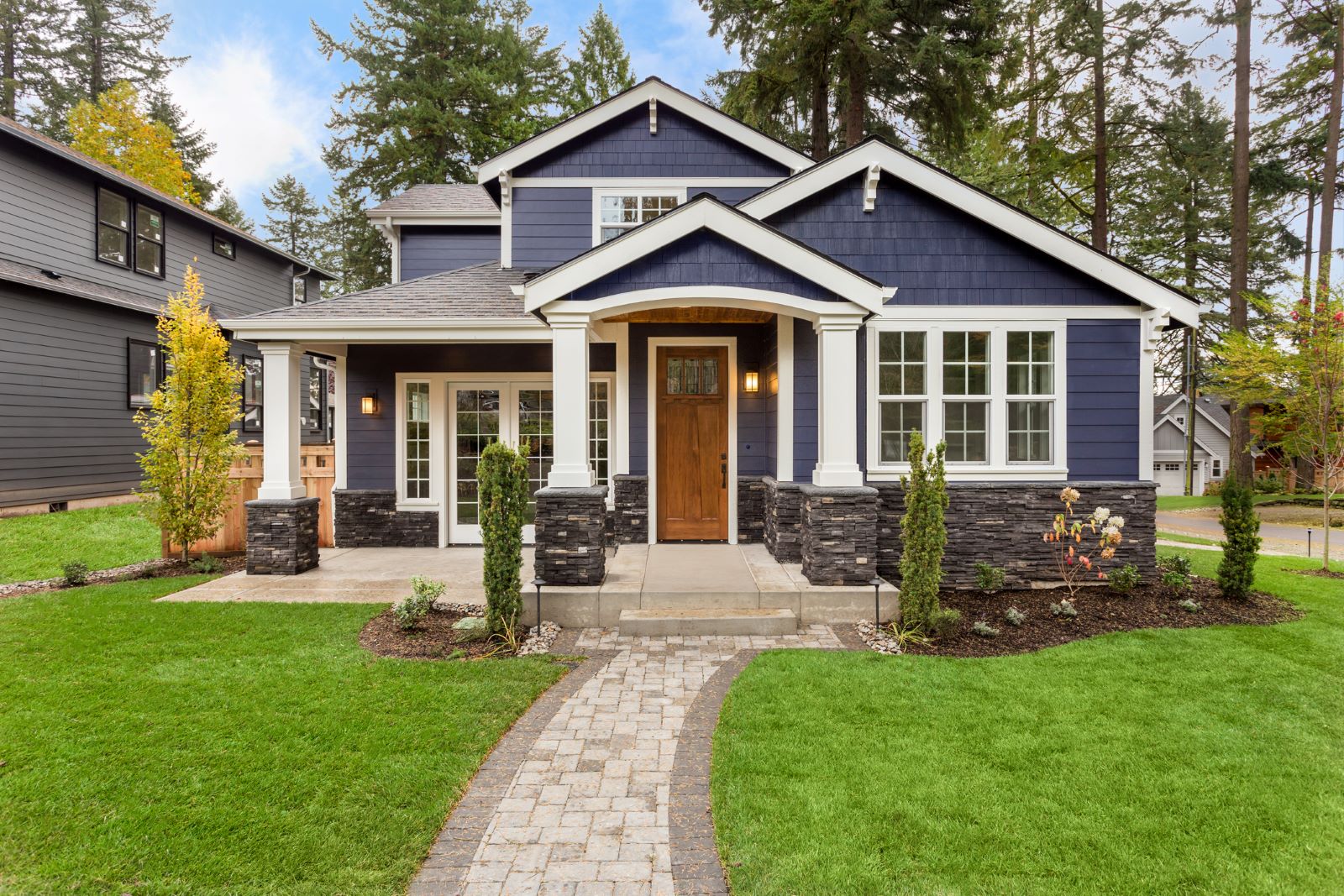
Renovated and move-in-ready homes each come with different tradeoffs in cost, timing, and upkeep.
When looking at real estate in Ridgewood, NJ, one of the first decisions is whether you want a home that’s ready now or one you can improve over time.
TABLE OF CONTENTS
- Why home condition matters in Ridgewood
- What does “move-in-ready” actually mean?
- What buyers should know about renovated homes
- Why some buyers still prefer homes with renovation potential
- Budget beyond the purchase price
- Timing, household needs, and tolerance for disruption
- Long-term value and resale considerations
- The Gubb Team’s perspective on choosing the right Ridgewood home
- FAQs
- Start your Ridgewood home search today
A renovated or move-in-ready property usually makes the transition easier, especially if you don’t want to take on major projects after closing. A home that needs updating may ask more from you upfront, but it also gives you more control over finishes, layout, and improvements.
Neither option is automatically better. The right fit depends on your budget, schedule, appetite for renovation, and how much you value convenience versus customization. This guide looks at both sides so you can decide what makes the most sense for your plans in Ridgewood.
FAST FACTS
- Ridgewood is a mature residential community with a wide range of housing styles, including older homes, updated properties, and homes with renovation potential.
- “Renovated” and “move-in-ready” are not always the same; buyers should look closely at the quality, age, permits, and practicality of updates.
- Move-in-ready homes may offer convenience and speed, while homes needing updates may offer more room for personalization.
- Buyers should consider not only purchase price, but also renovation costs, timelines, temporary housing needs, and long-term maintenance.
- The right choice depends on lifestyle, budget, tolerance for projects, and how quickly the buyer wants to settle into Ridgewood.
Why home condition matters in Ridgewood
Ridgewood’s residential architecture reflects generations of growth, with styles ranging from 19th-century Tudor Revivals to postwar Cape Cods. For buyers exploring real estate in Ridgewood, NJ, that variety makes home condition an important part of the search: properties built in different eras offer different layouts and histories of maintenance and improvement.
An older home may retain its hardwood floors, millwork, and defined rooms while offering updated heating, electrical, or plumbing systems. Another may have a recently remodeled kitchen but needs attention elsewhere. The age of the house and the freshness of its finishes tell only part of the story.
For buyers, the question is how those details fit everyday life. Would you be comfortable keeping a traditional layout? Are the changes you want primarily cosmetic, or would they involve substantial work before you settle in?
Understanding what has been maintained, what has changed, and what still needs attention gives you a clearer basis for comparing Ridgewood homes and deciding how much work belongs in your next chapter.
What does “move-in-ready” actually mean?
At its most basic, “move-in-ready” means a home is functional, livable, and ready for occupancy without major work before you move in. It doesn’t mean every finish is new or every room matches your preferences. An older kitchen or original flooring may still serve you well while you decide whether to make changes.
When comparing real estate in Ridgewood, NJ, it helps to distinguish the descriptions used in listings from the condition you’ll need to verify. These descriptions often overlap, but each tells you something different.
| DESCRIPTION | WHAT IT TELLS YOU | POSSIBLE OVERLAPS |
|---|---|---|
| Clean and well-presented | Fresh paint, clean rooms, and attractive staging improve presentation but don’t establish the condition of the home’s systems. | A well-presented home may also be updated or move-in-ready. Appearance alone doesn’t confirm either. |
| Cosmetically updated | Visible finishes, such as flooring, lighting, countertops, or fixtures, have been refreshed. Systems behind the walls may remain unchanged. | Cosmetic upgrades may accompany good system condition, but neither confirms the other. |
| Turnkey homes for sale | Generally suggests little immediate work beyond furnishing, decorating, or minor personal changes. Confirm what the listing means by the term. | Often overlaps with move-in-ready. A well-maintained home may fit both descriptions without having all-new finishes. |
| Major systems in good condition | Core components, such as the roof, HVAC, electrical, and plumbing, have been maintained, repaired, or replaced as needed. Inspection findings help establish their condition. | Sound systems may support move-in readiness even when the interior looks dated. |
Treat “move-in-ready” as a starting point for questions. Confirm whether the home is ready for your household’s daily routine, which repairs need prompt attention, and which changes are simply a matter of taste.
What buyers should know about renovated homes
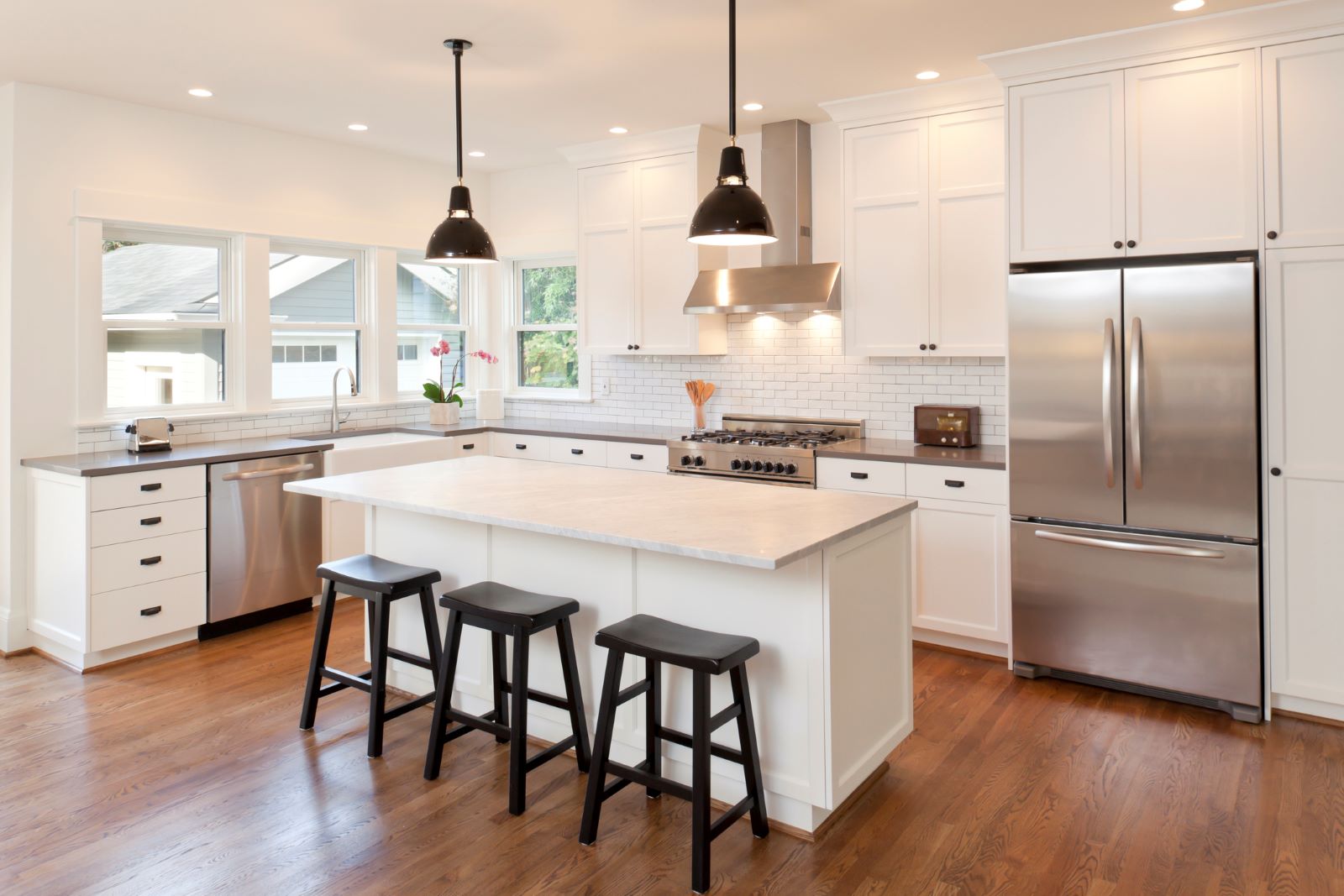
A renovated home may look finished, but buyers should still understand what was updated and how the work was done.
“Renovated” describes work completed on a home; “move-in-ready” describes its readiness for occupancy. A property may be both, but the renovation label alone doesn’t tell you how extensive the improvements were or whether additional work remains.
In Ridgewood’s older homes, evaluating renovations also means considering how changes work with the existing architecture. A redesigned kitchen may improve daily use while retaining original millwork. An addition may provide needed space, but its connection to the original floor plan deserves a closer look.
Understand the scope, age, and quality of the work.
Start by asking what was changed, when it was completed, and what documentation is available. A room-by-room refresh differs substantially from work involving structural alterations, electrical upgrades, plumbing replacement, or new heating and cooling equipment.
Focus your review on:
- Scope: Which rooms and systems were included, and what was left untouched?
- Age and upkeep: How have the improvements been maintained since completion?
- Workmanship and function: Do doors, drawers, fixtures, and appliances operate properly? Does the revised layout work for your household?
- Documentation: Are contractor records, warranties, and applicable permits and final approvals available?
An inspection helps assess the home’s current condition, while renovation records provide context about previous work. Depending on the findings, specialist evaluations may be appropriate.
Consider what the renovation preserved − and changed.
For buyers drawn to real estate in Ridgewood, NJ with architectural character, the value of an update may include what remains. Original floors, built-ins, and trim may complement practical improvements without requiring every room to look newly finished.
Look at the result as a whole. Did the work improve storage, circulation, comfort, or usable space? Does an addition feel connected to the rest of the house? The strongest renovation for your needs is one whose quality and function hold up beyond the listing photos.
Why some buyers still prefer homes with renovation potential
For some buyers, an unfinished basement, dated kitchen, older bathroom, or traditional floor plan is an opportunity to make choices that better fit their taste and priorities.
A home that hasn’t already been redesigned gives you more control over what happens next. Instead of paying for finishes selected by a previous owner, you decide where to invest, which projects matter most, and how quickly to make changes.
Renovation potential gives you more room to shape the home.
This approach works well if you have a clear idea of how you want the home to look and function. You may want a different kitchen layout, more built-in storage, a home office, or finishes that feel more personal than those in a recently renovated property.
Before buying, find out whether the changes you have in mind are feasible. Updating fixtures is a different undertaking from moving walls or expanding the house. Contractor input and a review of applicable requirements help you assess whether the property offers the flexibility you’re looking for.
You choose what to keep, too.
In an older Ridgewood home, making it your own may mean keeping the features you like while improving the areas that don’t work for you. You might retain original cabinetry in one room, refinish existing floors, or leave a comfortable traditional layout intact.
You also have a say in the sequence. If the home is livable and essential repairs are addressed, some improvements may wait until you’ve spent time in the space and understand what would make daily life easier. That freedom comes with responsibility: you’ll be making the decisions and managing the work, whether you tackle it all at once or gradually.
Budget beyond the purchase price
Purchase price is only the starting number. A home that costs less upfront may demand more cash after closing, while a renovated property may cost more but leave fewer immediate projects competing for your budget. Compare the purchase price and expected work together to understand what each option would require.
Distinguish between essential work and optional upgrades.
Not every project carries the same urgency. A failing roof, active water problem, or electrical issue needs a different place in your budget from cabinetry, lighting, or landscaping you want to change for personal preference.
It helps to divide expected costs into three groups:
- Immediate needs: Repairs or safety issues that require prompt attention, including work needed before occupancy.
- Near-term projects: Updates you expect to tackle within the next one to three years, based on inspection findings and your plans.
- Optional improvements: Changes you’d like to make but could postpone without affecting how the home functions.
Alongside your down payment and closing costs, account for expenses associated with the work itself: contractor and design fees, applicable permits, materials, appliances, and fixtures. If major renovations would prevent you from moving in, include temporary housing, storage, and overlapping housing payments.
Keep routine maintenance in the picture, too. A recently updated home still needs upkeep, and a renovation budget shouldn’t absorb all the money available for ownership expenses.
Leave room for the unexpected.
Even with good estimates, renovation costs aren’t always perfectly predictable. In an older Ridgewood home, opening walls, ceilings, or floors may reveal conditions that weren’t visible during the initial assessment.
Ask contractors what their estimates include, what remains uncertain, and how additional work would be priced. A contingency allowance gives you room to respond without cutting essential work or using money reserved for other priorities.
The goal is to understand whether a lower purchase price leaves you with useful financial flexibility or shifts substantial expenses into the months after closing.
Timing, household needs, and tolerance for disruption


Planning around renovations helps you keep daily routines manageable as your home takes shape.
A Bergen County, NJ home for sale that needs work may be a great fit on paper, but the timing has to work in real life. If you’re moving to New Jersey for a new job or trying to settle in before school starts, coordinating renovations alongside the move may stretch an already busy schedule. A home that needs little immediate work gives you fewer decisions to manage after closing.
Renovation can reshape your daily routine.
Even a project limited to one part of the house affects how the rest of the home functions. A kitchen renovation changes how you cook and eat. Bathroom work complicates morning routines, especially if there isn’t another full bathroom available. Noise, dust, deliveries, and contractor traffic may also make working from home or managing young children more difficult.
Before committing to a project, ask which rooms would remain usable, whether utilities would need to be interrupted, and what access contractors would require. Those details help you decide whether staying in the home during the renovation work would be practical for your household.
A flexible timeline gives you more options.
If you’re comfortable living with dated finishes for a while, you may have room to spread projects out. Once essential repairs are addressed, you might complete one project at a time or schedule disruptive work around periods when the household is away.
Phasing needs planning, though. Related projects may be better coordinated so completed work doesn’t have to be disturbed later. Talk through the sequence with your contractor before setting dates.
Picture the first six to twelve months after closing. Which spaces need to function from Day One, and when would your household realistically have room for a project? Your answers will help you judge whether the home’s renovation needs fit your schedule.
Long-term value and resale considerations
Even if you plan to stay in the home for many years, future resale is still worth considering. An updated kitchen or bathroom is one part of the picture. Location, lot characteristics, layout, overall condition, and the quality of improvements also shape how buyers evaluate a property.
Some features matter more than finishes.
When comparing homes, separate what you could reasonably change from what you would need to accept. Paint, flooring, lighting, and cabinetry are usually easier to update than a cramped floor plan or limited storage. Street location and lot size remain part of the property regardless of how much you renovate.
In an older Ridgewood home, consider whether the existing spaces work comfortably together. Does an addition connect well with the original rooms? Is there useful storage? Would improving the layout require substantial structural work?
These questions help you look beyond attractive finishes and assess whether the home has qualities you’ll value throughout your ownership − qualities that future buyers may appreciate, too.
Good renovations tend to hold up better.
If you plan to renovate, focus on improvements that make the home work better. Functional kitchens, comfortable bathrooms, useful storage, and sound systems serve everyday needs long after a particular design trend fades.
Quality matters, too. Thoughtful work that suits the house, including improvements that retain worthwhile original features, may support lasting appeal. Highly personal choices may be worth making for your own enjoyment, but don’t assume the next buyer will value them equally.
No renovation guarantees a particular resale result. Choose improvements around your needs, the home’s condition, and a realistic budget, while keeping future marketability in view.
The Gubb Team’s perspective on choosing the right Ridgewood home
At The Gubb Team, we help buyers compare not only the homes themselves, but also what comes with owning each one.
When we look at real estate in Ridgewood, NJ with a client, we talk through what happens after closing. Are there renovations you’d need to start right away? Would you rather avoid major projects for a few years? Does your budget leave room for updates, or would you prefer to put more toward a home where the work is already done? Those questions can narrow the search quickly and make it easier to compare homes that may look very different on the surface.
We take the time to understand each client’s priorities, timeline, and comfort level with renovation before weighing the options. From there, we will help you look more closely at condition, recent updates, likely projects, and the practical costs that may come with the home.
Whether you’re drawn to a fully updated property or a home with room to make it your own, the right choice is the one that fits the way you want to live now and in the years ahead.
FAQs
Is it wise to buy a home that needs updates?
Yes, if the home’s condition and the work involved fit your budget and schedule. A livable home with dated finishes may let you settle in first and improve rooms gradually. Essential repairs or major changes needed before occupancy require a different plan. Separate what must be addressed from what you’d simply like to change, and assess whether the location and layout make the work worthwhile.
Should I get renovation estimates before buying a Ridgewood home?
Yes, especially if substantial work is part of your purchasing decision. A home inspection helps identify condition concerns; contractor estimates help you understand the likely cost and feasibility of addressing them or making planned improvements. With the seller’s permission, arrange contractor access early enough to inform your decision. Ask what each estimate includes, what remains uncertain, and whether further evaluation is needed. Estimates provide a planning basis, rather than a guaranteed final price.
How do permits affect renovated homes in Ridgewood?
For work requiring permits, ask for both the permit records and documentation of completed inspections and final approvals. Ridgewood requires final inspections for each applicable subcode area in which a permit was issued, so an issued permit alone doesn’t establish that the process was completed. If records are missing or unclear, follow up with the seller and the Village’s Building Department to establish what is on file and what needs clarification. These records complement a current home inspection.
Start your Ridgewood home search today
Ready to explore real estate in Ridgewood, NJ? Tell us what you’re looking for in your next home and which updates you’re comfortable taking on. We, The Gubb Team, will help you focus your search around those priorities.
Call 201.299.6261 or send us an email to get started.