


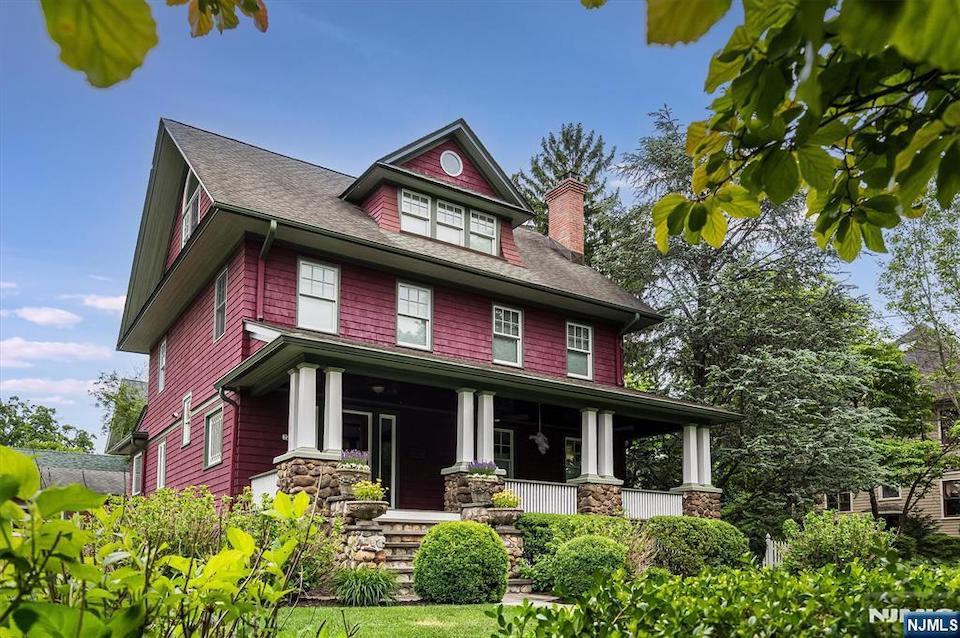
Older Ridgewood homes offer traditional proportions, mature landscaping, and period details that newer inventory does not always replicate.
Older homes are a meaningful part of Ridgewood’s residential identity. They help shape the look of its streets, the feel of its neighborhoods, and the established character that draws many buyers to the area. A classic Colonial, Tudor, Cape Cod, or Dutch Colonial home has the capacity to offer proportions, craftsmanship, and architectural detail that feel different from newer inventory.
With that appeal comes practical responsibilities.
TABLE OF CONTENTS
- Why older homes are part of Ridgewood’s appeal
- “Historic”, “older”, and “character-filled”: Understanding the differences
- What buyers should inspect more carefully
- Renovations, updates, and modernization costs
- Layout expectations in older Ridgewood homes
- Neighborhood setting and long-term livability
- Preservation questions buyers may need to ask
- The Gubb Team‘s perspective on buying older homes in Ridgewood
- FAQs
- Buy Ridgewood character with confidence
For those considering Ridgewood, NJ homes for sale, especially those that have withstood the test of time, charm should be evaluated alongside condition, livability, and a realistic understanding of long-term ownership.
FAST FACTS
- Ridgewood has a long-established residential character, with many homes offering mature landscaping, traditional architecture, and neighborhood charm.
- Some Ridgewood properties have recognized historic significance, including the Zabriskie-Schedler House, originally constructed in 1825 and connected to Bergen County’s Dutch-American architectural history.
- Older homes may require closer attention to structure, systems, insulation, electrical updates, plumbing, roof age, and prior renovations.
- Buyers should distinguish between cosmetic charm and true condition before making an offer.
- The right local guidance can help buyers evaluate whether an older Ridgewood home fits their lifestyle, budget, and long-term plans.
Why older homes are part of Ridgewood’s appeal
Ridgewood’s older homes often reflect the qualities buyers associate with established communities. Many sit along mature streets where traditional architecture, established landscaping, and varied home styles give each block a settled appearance.
The appeal often starts with details:
- Original hardwood floors
- Wood-burning fireplaces
- Built-in cabinetry
- Crown molding and millwork
- Arched openings
- Traditional staircases
- Classic room proportions
These features usually give a home personality before a buyer has studied the inspection report or renovation history. That is also why older properties require steady evaluation. Emotional appeal is part of the purchase, but it should not carry the decision alone.
In the Ridgewood, NJ real estate market, buyers can find a mix of renovated older homes, homes with update potential, newer construction, and luxury properties. That range gives buyers options and makes side-by-side comparison especially useful.
“Historic”, “older”, and “character-filled”: Understanding the differences
A home does not have to be officially historic to have character. This distinction matters because buyers sometimes assume that every older Ridgewood home carries preservation restrictions, registry status, or special rules. That is not always the case.
Historic homes
Some properties may be listed on a historic register or reviewed through local preservation processes. A home may also be located in a regulated area and require local approval before certain alterations can be made.
To aid in research, buyers of older Ridgewood, NJ homes for sale may visit the town’s Historic Preservation Commission, which identifies, records, and maintains information about buildings, landmarks, and structures with historical or architectural significance.
Older homes
A good number of Ridgewood homes have strong architectural character, but they may not be listed as landmarks or subject to the same preservation review as designated properties.
These homes still deserve careful examination. Age tends to affect systems, materials, insulation, drainage, and maintenance needs even when a home has no historic designation.
Character-filled homes
A character-filled home is often defined by architectural details rather than official historic status. Original millwork, distinctive windows, traditional facades, built-in cabinetry, fireplaces, and mature landscaping can all contribute to a home’s sense of character.
In Ridgewood, many homes offer these features without being designated historic properties. Whether a home has been extensively renovated or retains much of its original condition, buyers should focus on practical considerations such as condition, renovation history, permit records, layout, and long-term flexibility rather than relying on character alone.
What buyers should inspect more carefully

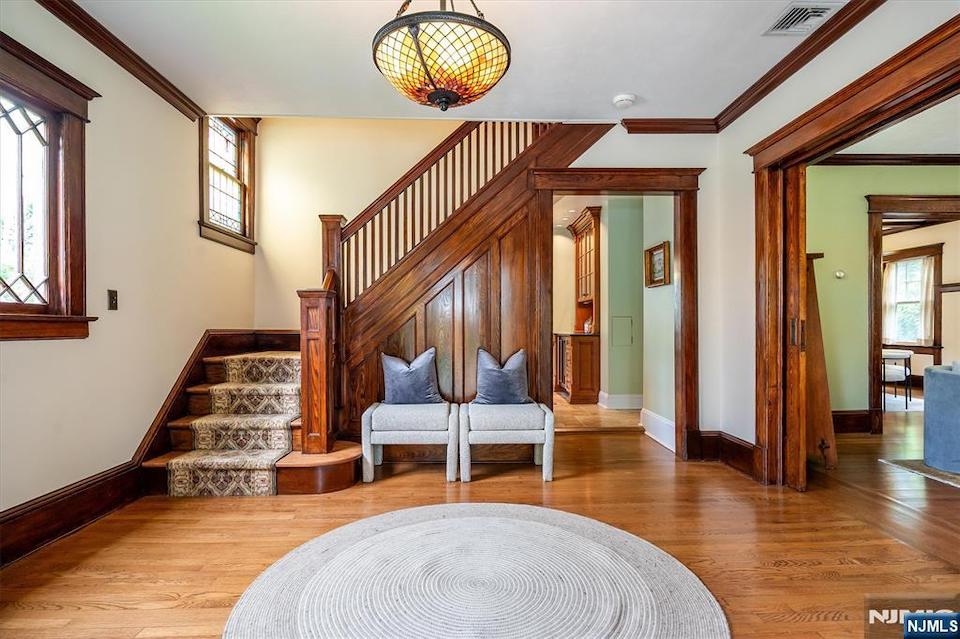
The charm of an older home often lies in its original details, but responsible ownership begins with understanding its condition.
An older home inspection is not meant to discourage a purchase. Its purpose is to show buyers what the home may require, what has already been handled, and what may need attention after closing. A strong home inspection checklist for an older Ridgewood home should go beyond surface finishes and focus on the systems and structure that support long-term ownership.
Foundation and structure
Older homes may show signs of settling, past repairs, basement moisture, or changes made over multiple ownership periods. Inspectors often look for cracks, movement, water intrusion, uneven floors, and visible structural alterations.
A small crack does not automatically mean a serious problem. The important issue is context. Buyers need to understand whether a condition is typical for the home’s age, whether it requires monitoring, or whether it needs a specialist’s review.
Roof, gutters, and drainage
Roof age matters in any home purchase, but it can be especially important among older properties where previous leaks may have affected plaster, framing, or insulation. Gutters, downspouts, grading, and drainage also deserve close attention.
Water management is one of the most important ownership considerations in older homes. A beautiful exterior may still hide basement moisture or drainage issues if water is not moving away from the foundation properly.
Electrical systems
Older Ridgewood homes may have electrical systems that were updated in stages. Buyers may see newer panels, older wiring, added circuits, or other signs that renovations were completed at different times.
The goal is to understand whether the system supports modern usage. Today’s buyers often expect central air, home offices, kitchen appliances, charging stations, media systems, and extensive lighting. Older electrical infrastructure may need upgrades to support that level of demand safely and comfortably.
Plumbing, HVAC, and insulation
Plumbing materials and their condition may vary widely among older homes. Some homes have updated supply lines and drains. Others may still include older materials or partial upgrades. Buyers should pay attention to water pressure, visible leaks, corrosion, drain performance, water heater age, and signs of prior repairs.
Heating and cooling systems may also affect livability. Some older properties were not built with central air in mind, and ductwork may have been added later. Insulation may vary by attic, wall, basement, and renovation history.
Comfort also depends on system performance across the whole home. It helps to look at whether heating and cooling feel consistent, how efficient the systems are likely to be, and whether future upgrades may be needed.
Windows, doors, chimneys, and exterior materials
Original windows surely add beauty, but they may also affect energy efficiency, maintenance, and comfort. Replacement windows could improve performance, but quality and style matter. A poor replacement may weaken the look of an older home.
Exterior materials deserve the same kind of review. Wood siding, masonry, stucco, trim, and older doors may need regular upkeep. Fireplaces and chimneys should also be checked carefully, especially for liners, caps, flashing, masonry condition, and signs of prior water intrusion.
Renovations, updates, and modernization costs
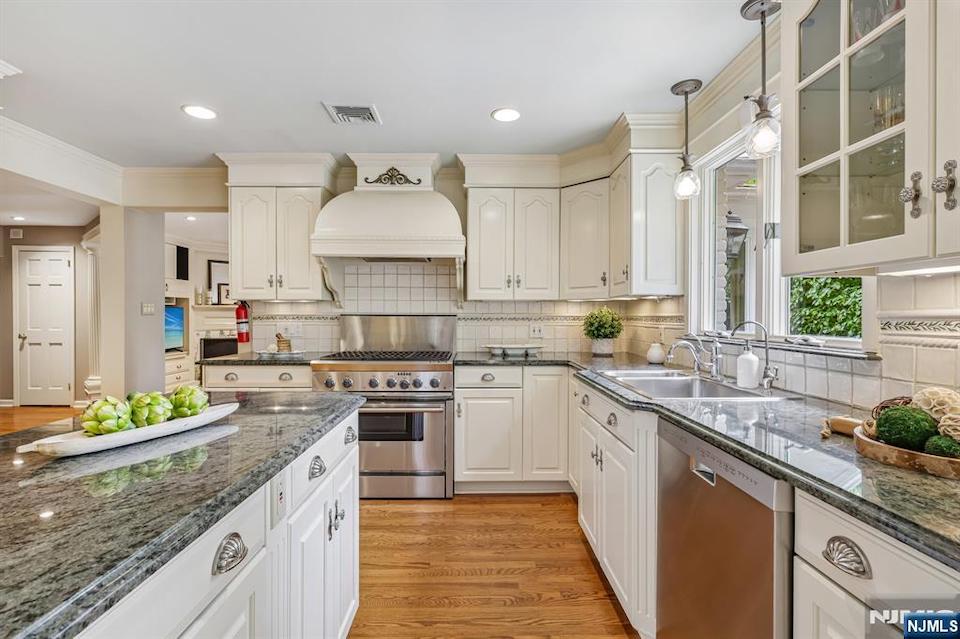
Many older Ridgewood homes have been modernized over time, making it important for buyers to evaluate both the visible updates and the work behind them.
Thoughtful updates should improve comfort while respecting the original structure. Meanwhile, lighter cosmetic changes may leave larger questions around systems, layout, and durability. Buyers should review those differences carefully.
Cosmetic updates and full modernization
Fresh paint, new lighting, refinished floors, and staged furnishings usually make an older home feel current. These updates may improve presentation, but buyers also need to understand whether the home has been modernized in the areas that affect daily comfort, maintenance, and long-term cost.
A renovated kitchen, bathroom, addition, or finished basement is easier to evaluate when buyers can see the scope of work, permit history, material quality, and whether important updates were made behind the finished surfaces.
Permit history matters
Renovations tend to affect value, function, and future planning. In Ridgewood, major work may involve permits, inspections, and compliance with building and zoning requirements. A careful review includes whether past improvements were documented and completed in a way that supports the home’s condition and use.
Permit questions often come up with kitchens, baths, additions, decks, finished basements, electrical work, plumbing, and HVAC improvements. When records are available, they can help clarify the scope, timing, and quality of past renovations.
Modernization priorities vary by buyer
One buyer may be comfortable updating bathrooms over several years. Another may need a home that functions well immediately. Among older homes, common modernization priorities often include kitchen renovation, bathroom updates, central air improvements, energy-efficient windows, insulation, storage, finished lower-level space, home office creation, primary suite updates, and outdoor living improvements.
The cost and complexity of these projects can vary widely. A home that appears less expensive at purchase may require significant investment after closing. A higher-priced renovated home may offer better overall value if major updates have already been completed well.
Layout expectations in older Ridgewood homes
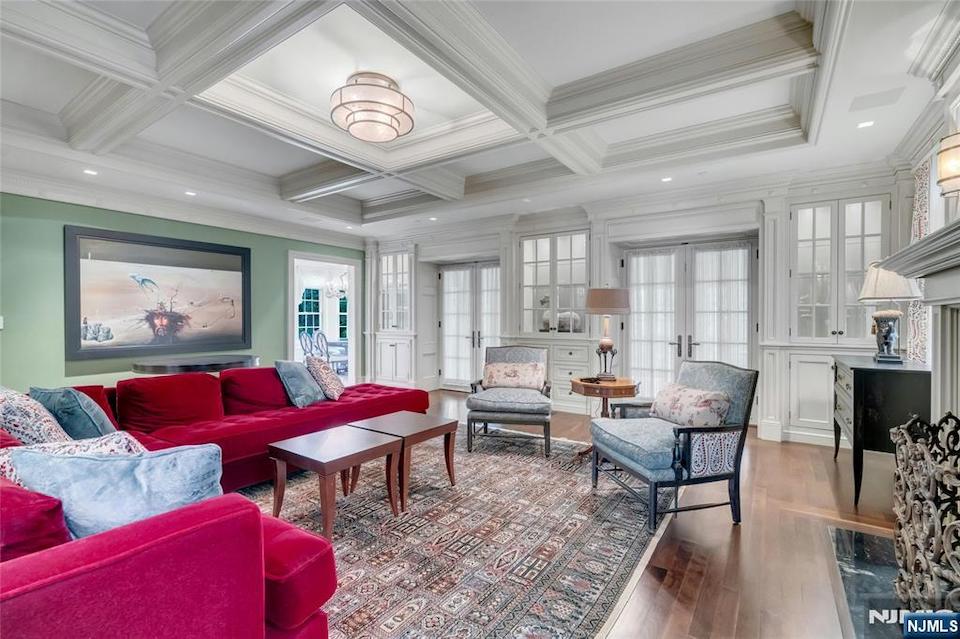
The character of an older home often extends beyond its details to its layout, making it important to balance charm with everyday functionality.
Older Ridgewood homes often reflect the layout expectations of their period, with defined rooms, smaller closets, modest garages, and less emphasis on large primary suites or open living areas.
Buyers should consider whether those layouts support the way they actually live. Some may value room separation, while others may need to plan for storage improvements, reconfiguration, or future expansion.
Defined rooms can be an asset
Formal living rooms, dining rooms, sunrooms, and studies can feel useful for buyers who want separation between activities. Defined spaces may support work-from-home needs, quiet reading areas, music rooms, guest rooms, or more traditional entertaining.
Storage may require creativity
Closet space is one of the most common differences between older homes and newer construction. Buyers may need to check basement storage, attic access, garage space, and opportunities to add cabinetry or custom closets.
Expansion and reconfiguration need careful review
Structural walls, lot coverage, setbacks, zoning, drainage, historic considerations, and budget can all shape the scope of a renovation. Buyers considering major changes should review the property conditions, code requirements, and likely costs before relying on renovation potential as part of the purchase decision.
Neighborhood setting and long-term livability

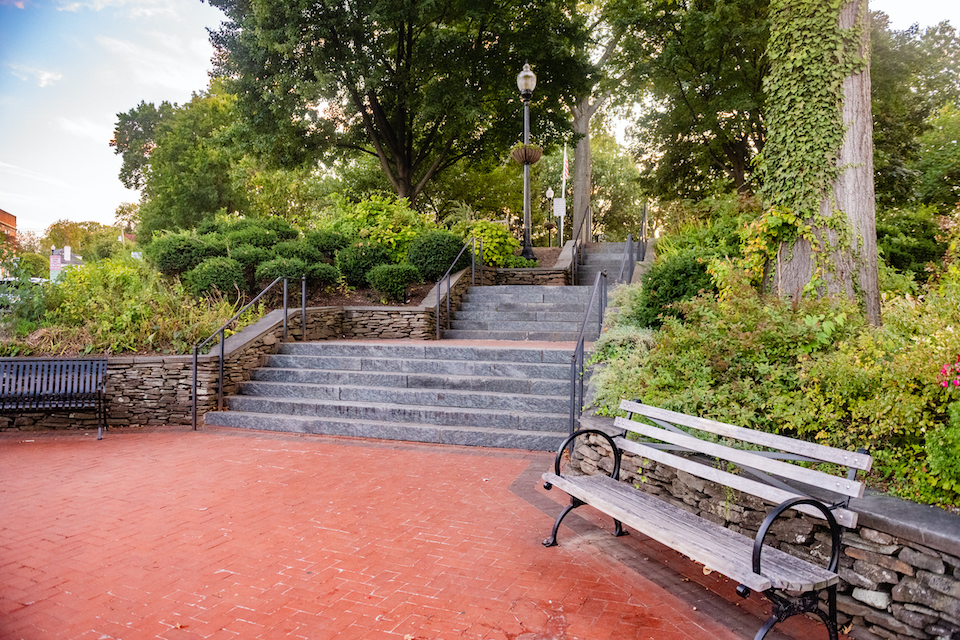
Nearby parks, village amenities, and established public spaces add to the appeal of an older Ridgewood home.
When comparing Ridgewood, NJ homes for sale, the surroundings should be just as relevant as the interior. The surrounding block, commute pattern, school assignment, lot shape, driveway, and outdoor space in the Ridgewood neighborhood are all factored in when it comes to long-term livability.
Proximity to downtown and transit
Some older homes draw buyers because they sit near Downtown Ridgewood, the train station, schools, shops, restaurants, and daily services. That convenience becomes meaningful for buyers relocating from more urban or walkable markets.
Other buyers may prefer a quieter residential setting farther from activity. Both preferences are valid. The best fit depends on how the buyer expects to use the home and neighborhood.
Lot size, privacy, and outdoor use
Mature lots are probably one of the great advantages of older homes. Established trees, older plantings, patios, and deep yards may create a sense of privacy and permanence. At the same time, mature landscaping usually requires maintenance, tree care, drainage review, and seasonal attention.
Outdoor space should be weighed against the buyer’s plans for the property. Some buyers may value room for entertaining, gardening, play, pets, or future expansion. Others may prefer a smaller, easier-to-maintain property near town.
Preservation questions buyers may need to ask
Buyers interested in an older Ridgewood home should confirm whether preservation-related rules or historic considerations apply, particularly if future renovations are part of the plan.
Questions may include
- Is the home listed on a historic register?
- Is the property located in a historic district or subject to local review?
- Have prior exterior changes been approved and documented?
- Would future additions, window changes, porch alterations, or demolition require additional review?
- Are there architectural details worth preserving for value and authenticity?
These questions are especially important when a buyer is planning major exterior work or hoping to substantially alter the home after closing.
The Gubb Team’s perspective on buying older homes in Ridgewood
We, The Gubb Team, help buyers look beyond the first impression and understand what a home may require over time. That is especially important with older Ridgewood homes, where beauty, condition, renovation history, and ownership responsibilities often sit close together.
Our role is to help buyers understand the full ownership picture before making a decision. Some older homes are strong fits for buyers who value original features and are comfortable with maintenance. Others may call for a larger budget, a longer improvement timeline, or more flexibility around layout and condition.
The Gubb Team’s approach is steady and practical. We take each client’s needs seriously, help make the process as clear and stress-free as possible, and remain a resource even after the closing.
FAQs
Is buying an older home in Ridgewood a good investment?
Buying an older home in Ridgewood can be a strong long-term choice when the property has good condition, a desirable setting, practical updates, and a layout that supports the buyer’s needs. Value depends on more than age or charm. It’s also important to consider maintenance, renovation history, systems, lot, location, and future resale appeal.
What should I inspect before buying an older home in Ridgewood?
Buyers should pay close attention to the foundation, roof, windows, electrical system, plumbing, HVAC, insulation, drainage, basement moisture, chimneys, exterior materials, and signs of deferred maintenance. A detailed inspection helps clarify what has been updated, what may need repair, and what ownership may require after closing.
Are all older homes in Ridgewood considered historic?
No. Many older Ridgewood homes have character without formal historic designation. Some properties may have recognized architectural or historical significance, while others are simply older homes with traditional style. Buyers should confirm the status of any property before assuming preservation rules apply.
Can I renovate an older home in Ridgewood after buying it?
Many older homes can be renovated, but the scope of work may depend on structure, zoning, permits, lot conditions, and preservation-related considerations. Buyers planning major changes should review feasibility early, especially for additions, layout changes, exterior alterations, finished basements, or system upgrades.
How can The Gubb Team help me evaluate an older home?
The Gubb Team helps buyers compare charm with condition, renovation potential, neighborhood fit, and long-term value. We help clients look past surface appeal, understand practical considerations, and evaluate older homes alongside renovated properties and newer options in Ridgewood.
Buy Ridgewood character with confidence
Whether you’re considering a beautifully preserved older home, a recently renovated property, or a home with future potential, The Gubb Team can help you navigate the Ridgewood, NJ real estate market with practical local insight and a thoughtful approach to evaluating your options.
Contact our team today at 201.299.6261 or send an email to discuss your goals and explore Ridgewood, NJ homes for sale with greater confidence and clarity.